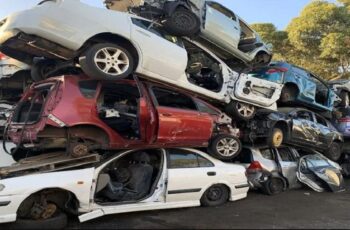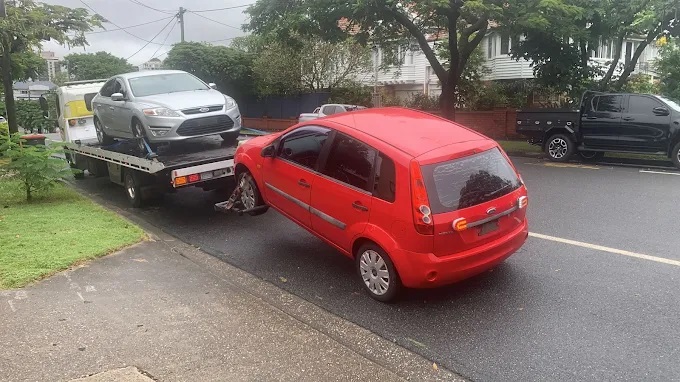
When an old or damaged vehicle reaches the end of its life, many owners leave it sitting in the garage, driveway, or backyard for months or even years. Wangara Car Wreckers believes that recycling an unwanted vehicle is a much smarter and more responsible choice than allowing it to rust away. Vehicle recycling not only helps owners free up valuable space but also protects the environment, conserves natural resources, and supports the automotive industry through the reuse of quality parts and materials.
An Abandoned Vehicle Loses Value Over Time
Many people think that an old car will always have some value regardless of how long it sits unused. In reality, every month a vehicle remains exposed to weather conditions, its value gradually decreases. Rust spreads across metal panels, rubber components deteriorate, batteries fail, and fluids begin to leak.
Instead of waiting until the vehicle becomes completely unusable, recycling it while it still contains reusable components can provide a much better outcome. Engines, transmissions, wheels, alternators, starters, radiators, and many other parts may still have value even if the vehicle no longer runs.
Vehicle Recycling Helps Protect the Environment
Old vehicles can become a serious environmental concern when left unattended. Over time, harmful automotive fluids such as engine oil, coolant, transmission fluid, and brake fluid may leak into the surrounding soil. These chemicals can contaminate nearby land and water sources if they are not handled correctly.
Professional vehicle recyclers follow environmentally responsible procedures to remove and dispose of hazardous materials safely. This reduces pollution and ensures that recyclable materials are processed according to industry standards. Choosing vehicle recycling contributes to cleaner communities while reducing unnecessary waste.
Valuable Materials Can Be Reused
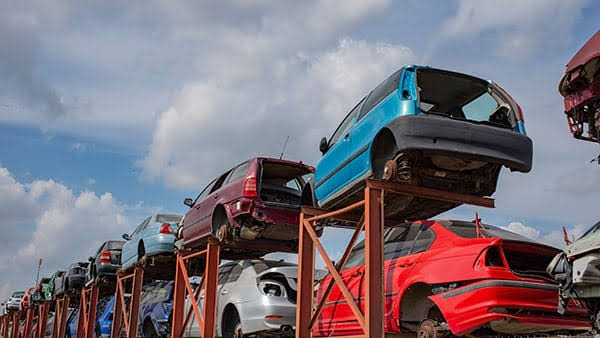
A modern vehicle contains thousands of components made from recyclable materials. Steel, aluminum, copper, plastic, and glass can all be recovered and processed for future manufacturing.
Recycling these materials reduces the demand for mining and raw material production, which requires significant energy and natural resources. Every recycled vehicle helps decrease the need for new metal extraction while supporting sustainable manufacturing practices.
Instead of becoming landfill waste, these valuable materials receive a second life.
Used Auto Parts Reduce Waste
Many parts removed from recycled vehicles remain in excellent working condition. Components such as mirrors, headlights, bumpers, doors, wheels, engines, gearboxes, and electronic systems can often be inspected, tested, and prepared for resale. These quality used parts offer vehicle owners an affordable alternative to purchasing brand-new components. At the same time, reusing parts reduces manufacturing waste and keeps usable products in circulation. This process supports both environmental sustainability and cost-effective vehicle maintenance.
Rust Causes Long-Term Damage
Rust is one of the biggest enemies of any vehicle. Once corrosion begins, it spreads through metal surfaces and weakens structural components. A car left outdoors is constantly exposed to:
- Rain
- Moisture
- Sunlight
- Dirt
- Changing temperatures
As corrosion progresses, repair costs increase dramatically. Even components that were once reusable may become unsafe or impossible to restore. Recycling a vehicle before severe rust develops helps preserve valuable materials and usable parts.
Recycling Supports the Circular Economy
Vehicle recycling plays an important role in creating a circular economy where materials remain in use for as long as possible. Instead of producing every automotive component from newly mined resources, manufacturers and repair businesses can reuse recovered metals and quality parts from recycled vehicles. This reduces industrial waste, lowers energy consumption, and minimizes environmental impact while making vehicle repairs more affordable for consumers.
More Space Around Your Property
Old vehicles often occupy valuable parking areas, garages, workshops, or backyards. They become difficult to maintain and may even attract pests or create safety hazards. Removing an unwanted vehicle creates additional space that can be used more effectively. Whether for parking, storage, or landscaping, clearing away an unused car improves both convenience and property appearance. A tidy property also creates a better first impression and improves overall organization.
Responsible Disposal Is the Better Choice
Improper vehicle disposal can create unnecessary environmental and legal issues. Simply abandoning a damaged vehicle may result in pollution, safety concerns, and wasted recyclable materials.
Professional vehicle recycling ensures every stage of the process is handled responsibly. Hazardous fluids are removed safely, reusable parts are recovered, recyclable metals are processed efficiently, and non-recyclable waste is disposed of according to environmental guidelines.
This organized process benefits both vehicle owners and the wider community.
Supporting Sustainable Automotive Practices
As the automotive industry continues moving toward sustainability, vehicle recycling has become more important than ever. Recovered materials help manufacturers reduce production costs and decrease dependence on newly extracted natural resources. Every recycled vehicle contributes to reducing carbon emissions associated with mining, refining, and manufacturing new materials. Choosing recycling is a practical way for vehicle owners to support environmentally responsible practices without making major lifestyle changes.
Financial Benefits of Recycling
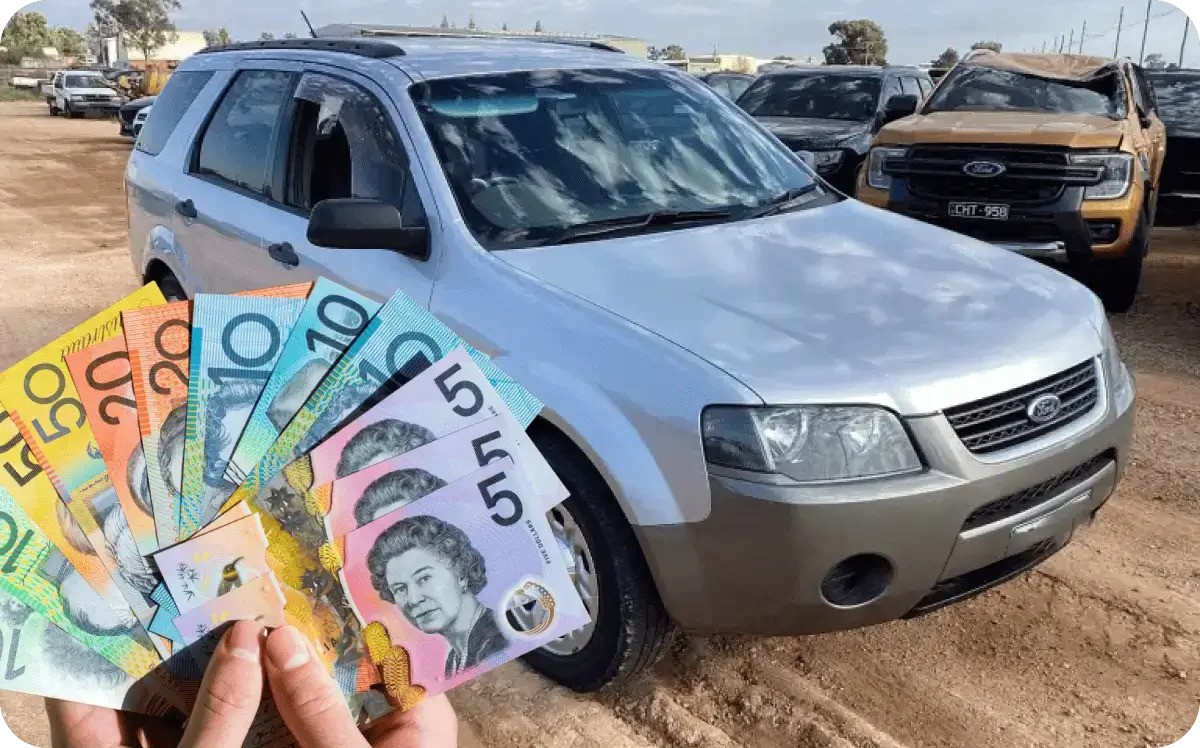
Many unwanted vehicles still contain significant recyclable value. Even if a vehicle no longer runs or has been damaged in an accident, its metal content and reusable components may still be worth recovering. Selling an old vehicle for recycling can often provide financial value while eliminating ongoing maintenance, storage, registration, and insurance concerns associated with keeping an unused car. Instead of watching the vehicle lose value every year, recycling allows owners to make practical use of an asset that would otherwise continue to deteriorate.
Conclusion
Allowing an old vehicle to rust away may seem harmless, but it leads to lost value, environmental risks, and unnecessary waste. Vehicle recycling offers a far more responsible alternative by recovering reusable parts, recycling valuable materials, protecting the environment, and supporting sustainable automotive practices.
Whether a vehicle is old, accident-damaged, or no longer roadworthy, recycling ensures it continues to provide value rather than becoming an environmental burden. Choosing responsible vehicle recycling benefits car owners, local communities, and future generations while helping create a cleaner and more sustainable automotive industry.