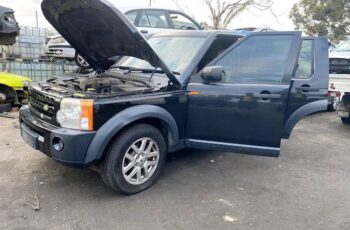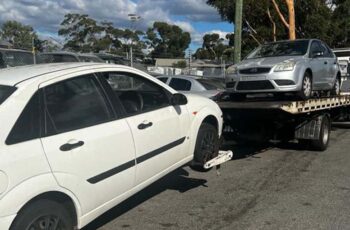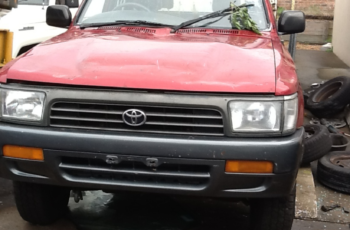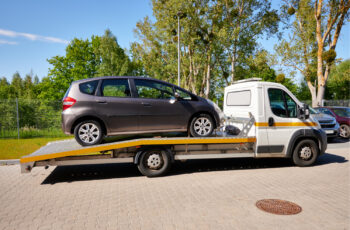
When a vehicle gets too old, damaged, or simply too unreliable to drive, many owners face the dilemma of what to do with it. It is common for people to leave the vehicle collecting dust, or even never consider it has any value anymore. There is also a fair share of misconceptions about what happens to a vehicle when it gets sent to a car wreckers. Informed decisions about vehicle disposals is often around a number of these misconceptions.
The true value of vehicle wreckers lies in automotive recycling. They remove the unused vehicles off the streets, conserving valuable parts, as well as recycling the materials that can be used. Once people fully understand how everything works, the myths surrounding wreckers and how valuable they really are to the life cycle of a vehicle, are dispelled.
In the rest of this article, we will address common myths about vehicle wrecking and provide the reality of what happens to old cars are picked up from the streets.
Myth 1: Old Cars Are Simply Dumped in a Scrap Yard
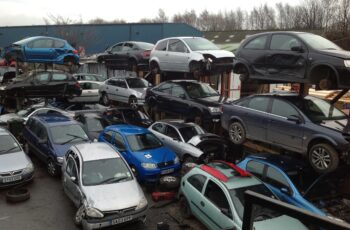
A common myth is that old cars end up in scrap yards where they are just left to rust and deteriorate. In reality, wreckers are professionally organized and modernized in their approach to dismantling and recycling of the vehicles.
Upon arrival at a wrecking facility, a vehicle goes through the following:
- Inspections and evaluations
- Removal of parts that can be reused
- Drainage of all fluids
- Dismantling of vehicle components
- Recycling of the metals
By following these steps, a wrecking facility can significantly reduce the amount of waste that results from processing a vehicle – most, if not all, of the car ends up being reused or recycled.
Myth 2: Wrecked Cars Have No Value
Car owners tend to believe that old and damaged cars lose their value and become worthless. But even cars that are not drivable have valuable parts and materials that can be salvaged.
Cars are composed of materials like steel, aluminum, and copper, all of which are recyclable. Parts that may still be operational and can be salvaged include
- Engines
- Transmissions
- Alternators
- Radiators
- Doors and body panels
- Mirrors and lighting components
Given the above reasons, wreckers are willing to pay cash for vehicles, regardless of their condition. The value is dependent on the vehicle’s age, model, weight, and demand for the parts.
Read More – Enduring Legacy of 5 Classic Cars Beloved in Western Australia
Myth 3: Only Completely Destroyed Cars Go to Wreckers
Many people believe that wreckers only deal with vehicles that have been involved in serious accidents. While Car wreckers Perth handle accident damaged cars, they also deal with a lot more other vehicles.
Cars that may be sent to wrecking yards include:
- Old cars that can no longer be depended upon
- Mechanical repairs
- Damaged by floods
- Unregistered Vehicles
- Simply been abandoned
- Owners do not want anymore
In many cases, even though the car is to be wrecked, there may be numerous usable parts that can be salvaged and repurposed for other cars.
Myth 4: Car Wrecking Is Bad for the Environment
Most people assume that car wrecking is bad for the environment because they involve tearing apart cars, and cars contain toxic materials; However, experts within this industry focus a lot on the environment.
Professional wreckers are required to follow strict guidelines to ensure that they are as environmentally friendly as possible, and part of these guidelines includes the safe removal of hazardous fluids before they are torn apart, such as:
- Engine oil
- Transmission fluids
- Coolants
- Brake fluids
- Fuels
The hazardous fluids are contained in safe containers and sent to a facility that handle hazardous wastes to be disposed of or recycled properly, and as a result of this, wreckers avoid cross-contamination of soils and waters by the hazardous fluids.
Metal parts that are recycled after cars are wrecked reduces the need for mining and manufacturing to obtain the raw materials, and as a result, conservation of the earth’s raw materials is achieved.
Myth 5: Used Car Parts Are Unreliable
Most people assume that used car parts are bad to be used, or not safe to be used. Although used car parts are not the same, as there are some that are better than others, wreckers conduct tests on car parts to determine their usability before they are sold to the public, and there are some that are better than others.
The following are used components that are often sold:
- Engines and gearboxes
- Starter motors
- Alternators
- Suspension parts
- Interior components
These parts usually come from cars that were written off due to damage to the chassis rather than damage to the engine or other mechanical parts. Consequently, each of the components is likely to still be in good condition and operationally perform the same as the parts that are new.
For buyers looking to save money on repairs, used parts from wreckers can be a cost-effective alternative.
Myth 6: Selling an Old Car to a Wrecker Is Complicated
Another misconception is that the process of selling a car that no longer works to a wrecker is a long and painstaking process that involves too much paperwork. However, that is not true. The process is usually quick and simple.
Most people will tell you that the process includes:
- Contacting the wrecker about the car
- Getting a price estimate
- Setting a time to have the car picked up
- Filling out some paperwork
- Getting paid
In fact, a lot of wreckers offer free removal of the vehicle, which means the seller does not have to arrange to have the car towed. This is a huge bonus for people who own a wrecked vehicle or one that no longer runs.
What Really Happens to Old Cars?
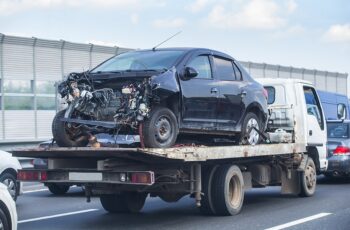
When a car is transported to the wrecking yard, it is first subjected to a series of dismantling and recycling procedures.
1. Inspection and Assessment – First the mechanics evaluate the vehicle to determine what parts may be reused or resold.
2. Fluid Removal – To minimize hazard, all the harmful fluids are drained and removed to be stored safely and fir environmental protections.
3. Parts Salvaging – All the parts that are usable are taken out, evaluated, and made to be part of the inventory. Then, these are sold to mechanics, workshops, or the owners of the vehicles.
4. Metal Recycling – After the parts that can be reused are taken out, the rest of the metal is then crushed and sent to be recycled. The metal is then melted and used to manufacture other new products.
This process guarantees that a huge percentage of the vehicle is recycled and not wasted.
Why Car Wreckers Are Important
Car wreckers have numerous essential roles in the automotive industry and in the ecosystems. They assist in:
- Removal of unwanted vehicles from properties
- Provision of affordable used auto parts
- Reduction of landfill waste
- Promotion of metal recycling
- Support of sustainable automotive practices
If it were not for vehicle recycling facilities, millions of cars would end up in landfills every year.
Final Thoughts
Car wreckers are often misunderstood, but the reality is far from the myths. Rather than just grossly disassembling vehicles, they dismantle the vehicles and recycle the vehicles in a manner that is economically and eco-friendly.
Even when old vehicles have ceased operation, they can still be repurposed due to their intact parts, and other components that can be recycled. Knowing what can be done with old vehicles gives owners greater options when they need to get rid of an old vehicle.
When you select a professional car wrecker, you make sure that your old car is dealt with in a responsible way and also assist in recovering the worth from a car that other people would have ignored.