Most people see an old, damaged, or unwanted car as nothing more than scrap metal. It no longer starts, repair costs outweigh its value, and it occupies space in the driveway or garage. Yet what appears to be the end of a vehicle’s life is actually the beginning of a carefully managed recycling process that recovers valuable materials, reduces environmental waste, and supports the production of new products.
Modern vehicles are engineering marvels built from steel, aluminium, copper, glass, rubber, and plastics. Even after years of use, many of these materials retain their value. Throwing an end-of-life vehicle into landfill would waste resources that took significant energy and raw materials to produce. Instead, professional car removal services ensure these vehicles enter a recycling system where every reusable component is recovered before the remaining materials are processed and returned to manufacturing.
It All Starts with Responsible Vehicle Collection
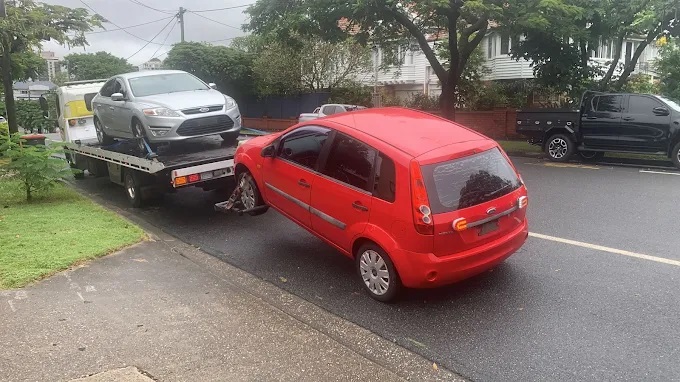
Vehicle recycling begins long before a car reaches a dismantling yard. The first step is safely removing the vehicle from its location.
Many end-of-life vehicles cannot be driven because of mechanical failures, accident damage, missing parts, or expired registration. Leaving them unused for months or years often creates more problems. Fluids may leak, tyres deteriorate, and corrosion gradually damages components that could otherwise be recycled.
Professional car removal company like SA Scrap Car solve this problem by transporting vehicles directly to licensed recycling facilities. Instead of becoming an environmental hazard, the vehicle immediately enters a controlled recycling process where every stage is managed safely and efficiently.
The First Job: Depollution
Before a single bolt is removed, trained technicians carry out one of the most important stages of vehicle recycling—depollution.
Cars contain several hazardous substances that must never be released into the environment. Engine oil, coolant, brake fluid, transmission fluid, fuel, power steering fluid, and air-conditioning refrigerants are carefully drained using specialised equipment. The battery is removed, and components containing mercury or other hazardous materials are safely separated.
This step protects soil, groundwater, and nearby ecosystems from contamination. It also ensures recyclable materials remain clean enough for further processing.
Without proper depollution, recycling a vehicle would be both unsafe and environmentally damaging.
Recovering Parts That Still Have Life Left
A vehicle may no longer be roadworthy, but many of its components can still provide years of reliable service.
Experienced dismantlers inspect the vehicle before removing reusable parts such as engines, gearboxes, alternators, starter motors, radiators, doors, mirrors, suspension components, alloy wheels, and electronic modules. These parts are cleaned, tested where appropriate, and supplied to workshops or vehicle owners looking for affordable replacements.
Reusing automotive parts extends their lifespan and reduces demand for newly manufactured components. Every reused alternator or gearbox means fewer raw materials are needed to produce a replacement, lowering both manufacturing costs and environmental impact.
Halfway through this process, car removal Adelaide services help ensure unwanted vehicles are collected promptly and delivered to licensed recyclers, allowing reusable parts and valuable materials to be recovered instead of wasted.
Turning Scrap Metal into Valuable Resources
Once reusable parts have been removed, the remaining vehicle shell still contains enormous value.
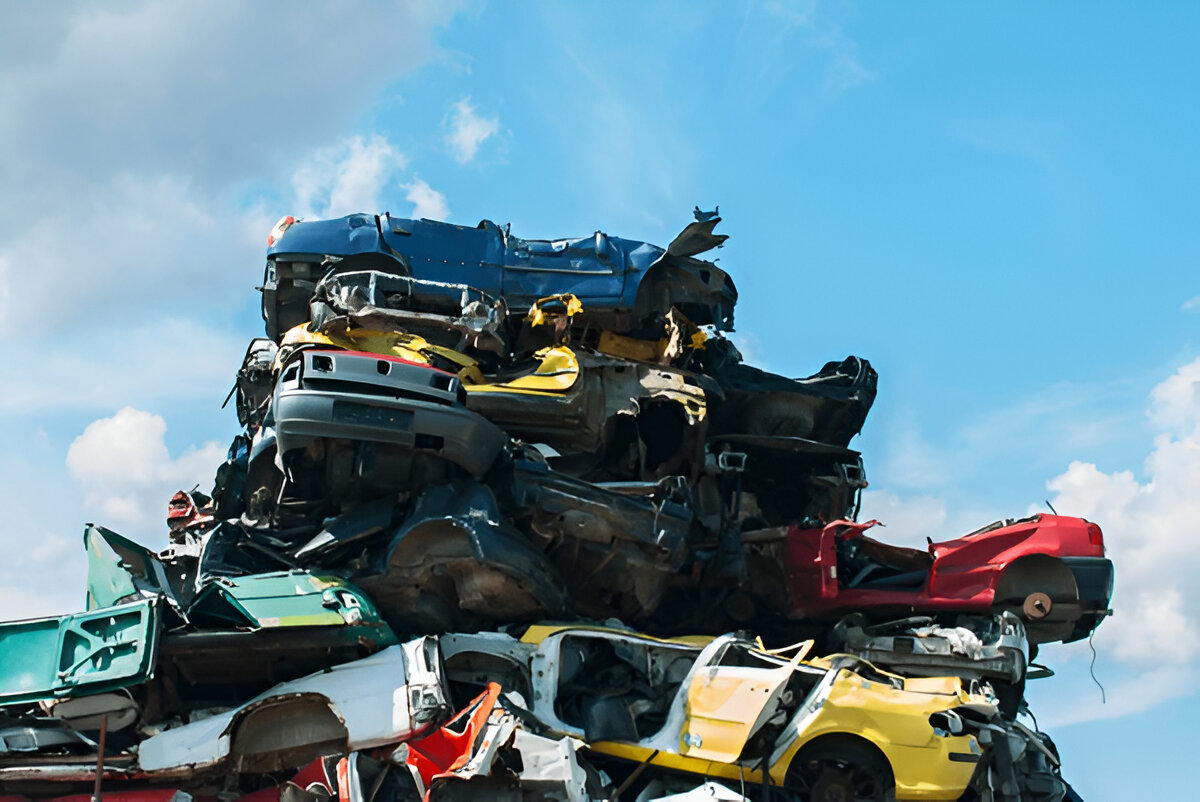
Steel accounts for the majority of a vehicle’s weight, making it one of the world’s most recycled materials. The stripped vehicle is compressed or shredded into smaller pieces before advanced separation systems sort different materials.
Powerful magnets recover ferrous metals such as steel, while eddy current separators isolate non-ferrous metals including aluminium and copper. Plastics, rubber, and glass are also separated for recycling whenever practical.
The recovered metals are sent to smelters where they are transformed into raw materials for manufacturing. Recycled steel may become structural beams, machinery, appliances, or even parts of brand-new vehicles. Aluminium recovered from old cars can return to production with only a fraction of the energy required to create it from mined ore.
Why Recycling Vehicles Matters
The environmental benefits of vehicle recycling extend far beyond reducing landfill waste.
Mining iron ore, bauxite, and copper consumes vast amounts of energy while disturbing natural landscapes. Recycling existing metals significantly reduces the need for new mining operations and lowers greenhouse gas emissions associated with manufacturing.
Vehicle recycling also helps conserve water and electricity. Producing steel or aluminium from recycled material requires considerably less energy than producing the same materials from raw resources. This reduction in energy demand contributes to lower carbon emissions across the manufacturing sector.
At the same time, responsible recycling prevents hazardous automotive fluids from entering waterways and keeps abandoned vehicles from becoming environmental hazards in local communities.
Supporting Australia’s Circular Economy
The automotive industry is increasingly embracing the principles of a circular economy, where products and materials remain in use for as long as possible.
Vehicle recycling is a practical example of this approach. Instead of following a “make, use, dispose” model, valuable materials are continuously recovered and reintroduced into manufacturing.
A single end-of-life vehicle can provide recycled steel for construction, aluminium for transport equipment, plastics for industrial products, and reusable mechanical parts for vehicle repairs. This ongoing cycle reduces waste while making better use of existing resources.
As vehicle technology continues to evolve, recycling practices are also improving. Modern facilities now recover a greater percentage of materials than ever before, ensuring fewer components are lost to landfill.
A Small Decision with a Lasting Impact
For vehicle owners, arranging car removal may seem like a simple way to clear unwanted space. In reality, it is the first step in a much larger environmental process.
Every responsibly recycled vehicle helps reduce waste, conserve valuable natural resources, support local manufacturing, and minimise pollution. Components that still have life left continue serving other vehicles, while recyclable materials are transformed into products used every day.
Conclusion
An unwanted vehicle should never be viewed as worthless. Beneath its worn exterior are reusable parts, recyclable metals, and valuable materials that deserve a second life. Professional car removal makes this possible by connecting end-of-life vehicles with licensed recycling facilities equipped to recover these resources safely and efficiently.
When vehicle owners choose responsible removal instead of abandonment or landfill disposal, they contribute to a cleaner environment and a more sustainable automotive industry. Every recycled vehicle represents more than the end of one journey—it provides the raw materials, components, and opportunities that help build the next one.