Do you have an old, damaged or unwanted car taking up space in your driveway? Selling a vehicle that no longer meets your needs can be easier when you understand your options. For vehicle owners in Wangara, Western Australia, car wreckers offer an alternative to private sales, particularly when a vehicle has mechanical problems, accident damage or repair costs that exceed its value.
Whether your car is running, broken down or approaching the end of its useful life, understanding the selling process can help you make an informed decision. This guide explains how car wreckers assess unwanted vehicles, what affects their value, how to prepare for collection and what to consider before accepting an offer.
Why Consider Car Wreckers in Wangara?
Selling a car privately often involves creating advertisements, answering enquiries, arranging inspections and negotiating with potential buyers. This can be time-consuming, especially when the vehicle is no longer roadworthy or requires expensive repairs.
Car wreckers provide another option by assessing vehicles for reusable parts, salvageable components and recyclable materials. Depending on its condition, a car may still have value even if it cannot be driven.
Vehicles that may interest car wreckers include:
- Old cars with expensive mechanical problems
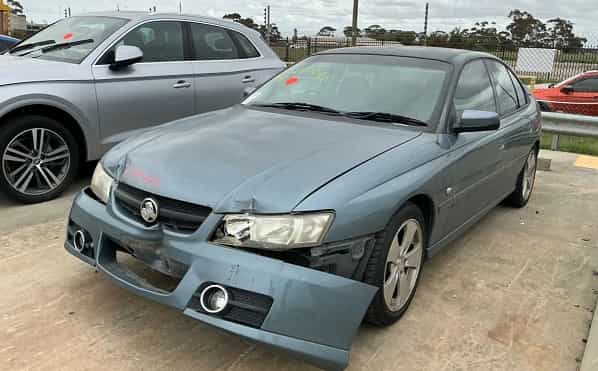
- Accident-damaged vehicles
- Cars with engine or transmission failure
- Unregistered or non-running vehicles
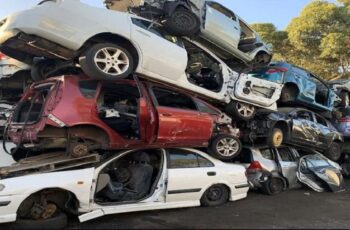
- Scrap vehicles that have reached the end of their useful life
- Unwanted utes, vans, SUVs and four-wheel drives
Each business has its own acceptance criteria. Contacting a car wrecker with accurate vehicle details is a practical first step towards finding out whether your car can be purchased.
How Does Selling a Car to a Wrecker Work?
The process is generally straightforward, although the exact steps depend on the business and the vehicle.
1. Share Your Vehicle Details
Start by providing the car’s make, model, manufacturing year and general condition. Explain whether it starts, whether it has accident damage and if any major components are missing.
Recent photographs can help the buyer understand the vehicle’s condition before arranging an inspection or collection.
2. Request and Compare Quotes
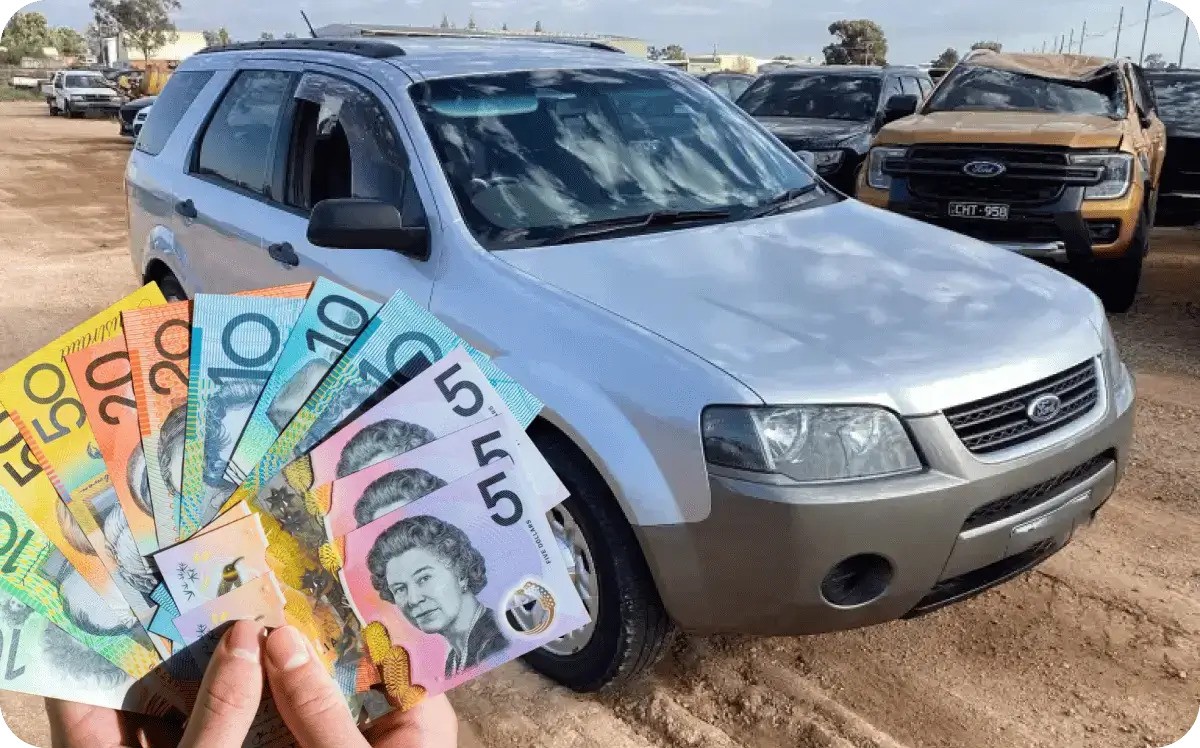
Contact one or more buyers to obtain offers. The amount offered may depend on the vehicle’s condition, demand for its parts and the materials that can be recovered.
Before accepting a quote, ask whether the price is final, whether collection costs apply and what payment arrangements are available. Comparing offers can help you understand the market without committing immediately.
3. Arrange Collection
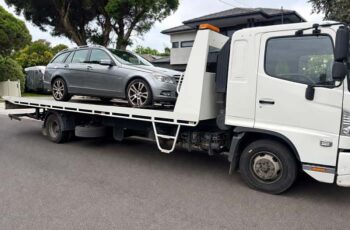
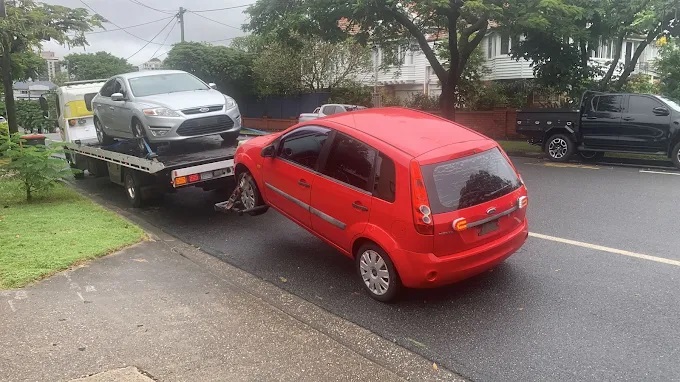
If the vehicle cannot be driven, ask whether the wrecker can collect it using an appropriate vehicle transporter or towing service.
Confirm the collection address, appointment time and any access requirements. If your car is parked in a garage, shared driveway or restricted-access area, explain this when making arrangements.
4. Complete the Sale
Before handing over the keys, confirm the agreed price, payment method and required paperwork. Keep a written record of the transaction and make sure the appropriate ownership and disposal procedures are followed.
Clear communication at this stage can help prevent misunderstandings.
What Determines the Value of an Unwanted Car?
There is no universal price for an unwanted vehicle. Two cars of the same model can receive different offers because their condition, components and market demand may vary.
Several factors commonly influence a wrecker’s assessment.
- Make and model: Some vehicles have components that are more sought after in the used-parts market.
- Mechanical condition: A functioning engine, transmission or other reusable component may contribute to the vehicle’s value.
- Accident damage: The location and severity of damage can determine which components remain suitable for recovery.
- Age and overall condition: Rust, deterioration, missing parts and general wear may affect the assessment.
- Recyclable materials: Recoverable metals and other materials may contribute to the value of a vehicle that is no longer suitable for repair.
- Demand for replacement parts: The availability and demand for particular components can influence what a buyer is prepared to offer.
To receive a more accurate quote, describe known faults honestly and provide clear photographs where possible. You can also compare offers before deciding whether to sell the vehicle as it stands.
Can You Sell a Damaged or Non-Running Car?
Yes. Many automotive recyclers consider damaged and non-running vehicles, subject to their purchasing criteria and assessment.
For example, a car with engine failure may still contain usable doors, mirrors, wheels, lights or electronic components. Similarly, an accident-damaged vehicle may have undamaged parts that can be recovered and reused.
If your car has been sitting unused for months, consider obtaining a quote before spending money on repairs. Compare the likely repair costs with the amount you could receive for selling the vehicle in its current condition.
Remember to disclose significant damage, missing components and known mechanical problems. Accurate information helps the buyer assess the car and reduces the likelihood of disagreements during collection.
What Should You Prepare Before Selling Your Car?
A little preparation can make the transaction easier.
First, gather your available registration details, ownership documentation and identification. Ask the buyer which documents are required and confirm that you have the authority to sell the vehicle.
Next, remove personal belongings from the glove box, boot, door pockets and other storage areas. Check for garage remotes, toll tags, personal documents and other items you want to keep.
If the vehicle has outstanding finance, contact your lender to understand the requirements for selling it and settling any remaining balance.
In Western Australia, sellers also need to understand the applicable vehicle licensing and disposal procedures. According to Transport WA, when you sell, gift or dispose of a licensed vehicle, you must notify the Department of Transport and Major Infrastructure within seven days and provide the new owner’s name and address. The process may differ depending on the circumstances, so check the official vehicle sale and transfer guidance before completing the transaction.
Why Is Responsible Car Recycling Important?
Car wrecking can help recover useful components and materials from vehicles that are no longer economical to repair.
Depending on the vehicle’s condition, reusable parts may be inspected and supplied to people or businesses seeking replacement components. Suitable metals can also enter recycling streams, helping reduce the amount of material sent to landfill.
Vehicle recycling requires appropriate handling of fluids, batteries and other potentially hazardous components. Choosing a business that follows responsible dismantling and waste-management practices is therefore an important consideration.
Although recycling does not eliminate every environmental impact, recovering usable materials can support more efficient resource use.
How to Choose a Car Wrecker in Wangara
Before accepting an offer, consider the overall service rather than looking at the quoted price alone.
Ask these practical questions:
- Does the business accept your vehicle’s make, model and condition?
- Is collection available from your Wangara address?
- Are towing and removal costs included in the offer?
- How and when will payment be made?
- What paperwork is required to complete the transaction?
- Are the agreed price and collection arrangements confirmed in advance?
A reputable buyer should be willing to explain the process clearly and answer reasonable questions before you commit.
If you are comparing local options, you can explore Car wreckers Wangara service to learn more about the vehicle buying and removal services offered by Auto Wreckers Perth.
Conclusion
Selling an unwanted vehicle does not always require costly repairs or the time involved in finding a private buyer. Car wreckers can provide an alternative for owners of old, damaged, scrap and non-running vehicles, depending on the condition of the car and the buyer’s requirements.
By comparing quotes, preparing your documents, confirming collection costs and understanding the relevant disposal procedures, you can make a more informed decision.
If you have a vehicle taking up space in Wangara, start by gathering its details and requesting an assessment. A clear understanding of the offer and the selling process will help you decide whether selling to a car wrecker is the right option for your situation.