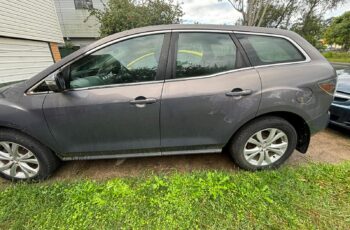
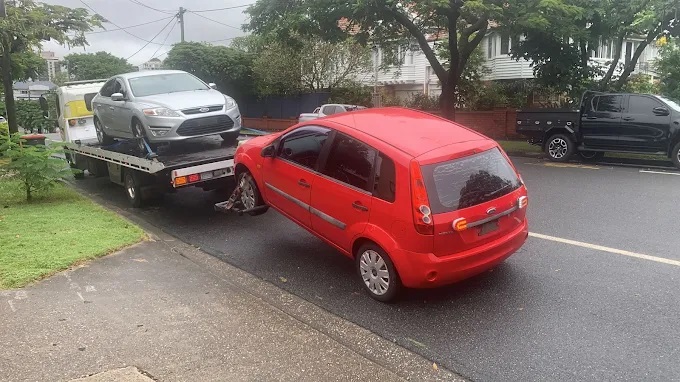
Two cars can be the same make, model and year but have very different selling prices. One may have a clean interior, good tyres and a strong service history, while the other may have accident damage, mechanical problems or years of wear.
The main reason is simple: vehicle condition affects how much work, risk and money a buyer may need to put into the car. The better the overall condition, the more attractive the vehicle is likely to be to buyers. However, even a damaged or non-running car can still have value, depending on its parts, condition and salvage potential.
Quick Answer: Does Condition Affect Used Car Value?
Yes. A used car in good mechanical and cosmetic condition will generally attract more interest than a similar vehicle with major faults or damage. Factors such as engine condition, bodywork, interior wear, tyres, service history, accident damage and mileage can all influence what a buyer is willing to pay.
That does not mean a poor-condition car has no value. Older, damaged or non-running vehicles may still be worth selling because they can contain usable parts or have salvage value.
What Does Vehicle Condition Actually Mean?
Vehicle condition is more than simply asking whether a car starts. When assessing a used vehicle, buyers normally look at the overall state of the car, including its mechanical systems, exterior, interior and maintenance history. A car that looks good from the outside but has serious mechanical problems may be worth less than its appearance suggests.
Likewise, an older car with some cosmetic damage but a well-maintained engine and documented servicing may still be attractive to the right buyer.
Mechanical Condition Can Make a Big Difference
The engine, transmission, cooling system, suspension, brakes and other mechanical components can have a major effect on a vehicle’s appeal. A car that starts easily, drives normally and does not have major mechanical faults is usually easier to sell. Buyers have greater confidence that they can continue using it without immediately facing expensive repairs.
On the other hand, problems such as a failed engine, transmission fault, overheating issue or serious suspension problem can reduce what a buyer is prepared to offer. The reason is not simply the cost of the repair. There is also uncertainty about what other problems may be discovered during the repair process.
For a vehicle that is no longer economical to repair, selling it to a specialist buyer may make more sense than continuing to spend money on it.
Exterior Damage Also Affects the Price
Body condition is one of the easiest things for a buyer to see. Dents, scratches, faded paint, rust, broken lights and damaged panels can reduce the appeal of a vehicle, particularly when the repairs are expensive or affect several areas of the car.
Accident damage can have an even greater impact. A buyer may need to consider structural repairs, replacement panels, mechanical damage and the vehicle’s history before deciding what it is worth.
Not every damaged vehicle should be repaired before selling, though. If the cost of repairs is high and the car is already old, spending more money on cosmetic work may not produce a better financial result.
Interior Condition Matters Too
The inside of a vehicle can tell a buyer a lot about how it has been treated. Heavy seat wear, damaged trim, broken controls, stains, unpleasant odours and a neglected cabin can make a car less appealing. Small signs of normal use are expected on an older vehicle, but excessive wear can affect buyer confidence.
A clean and reasonably maintained interior can help a used vehicle make a better impression. Simple cleaning is often worthwhile, but expensive interior repairs may not always be justified.
Tyres, Brakes and General Wear
A car does not need to look perfect to have value, but basic wear items still matter. Tyres with very little tread, worn brakes, damaged suspension components or other obvious maintenance issues can make a buyer factor future expenses into their offer.
This is particularly important with older vehicles. A buyer may look at the car as a whole rather than focusing on one individual problem. Several smaller repairs can add up and change the overall assessment.
Service History Can Build Buyer Confidence
A documented service history can help show how a vehicle has been maintained. Regular servicing, maintenance records and evidence of previous repairs can make it easier for a buyer to understand the vehicle’s background. This does not guarantee a higher selling price, but it can reduce uncertainty.
If you still have service books, invoices or repair records, it is worth keeping them together when you decide to sell.
Mileage and Condition Should Be Considered Together
Mileage is important, but it should not be viewed on its own. A high-mileage vehicle that has been regularly serviced and carefully maintained may be more appealing than a lower-mileage vehicle that has been neglected.
Similarly, a car with relatively low kilometres may still have problems if it has spent years sitting unused or has not received appropriate maintenance. For this reason, buyers usually consider mileage alongside the vehicle’s age, mechanical condition, appearance and history.
Does Repairing a Car Always Increase Its Value?
Not necessarily. Repairing a vehicle can make it easier to sell, but the money spent on repairs does not automatically come back through the final selling price. For example, replacing a worn component may be sensible if it is inexpensive and improves the car’s usability. Major engine, transmission or body repairs are a different matter, particularly when the vehicle is old.
Before paying for repairs, consider the car’s age, overall condition and likely selling price. In some cases, selling the vehicle in its current condition can be the more practical option.
What If Your Car Is in Poor Condition?
A poor-condition vehicle should not automatically be treated as worthless. An unwanted car may still have useful components, recyclable materials or parts that can be recovered. This is one reason specialist vehicle buyers and salvage businesses may consider cars that traditional private buyers would avoid.
If your car is damaged, old or no longer running, it is worth comparing your options before spending money on major repairs. Contacting with Metro Salvage for instant cash for cars offer can be a practical way to sell the vehicle in its current condition.
How Can You Get a More Realistic Idea of What Your Car Is Worth?
Start by being honest about the vehicle’s condition.
Make a note of:
- Whether the engine starts and runs
- Any known mechanical problems
- Exterior damage or rust
- Interior condition
- Tyre and brake condition
- Approximate mileage
- Service and repair history
- Accident or damage history
- Missing or damaged components
Clear photographs can also help a buyer understand the vehicle’s condition before arranging an inspection or collection.
Most importantly, compare offers based on the complete deal rather than looking only at the highest number. Check whether removal, towing or other costs will be deducted from the final amount.
Selling a Car Based on Its Actual Condition
There is no single price for an old or used vehicle. Two similar cars can have very different values because their mechanical condition, appearance, history and maintenance are different. Understanding this can help you set realistic expectations when selling. It can also help you decide whether repairing the vehicle is worthwhile or whether selling it as-is makes more sense.
For Brisbane vehicle owners considering their options, cash for cars Brisbane services can provide another option for selling unwanted, damaged or non-running vehicles without putting money into unnecessary repairs first.
The key is to describe the vehicle honestly, understand its condition and compare your options carefully. A car does not need to be perfect to have value—it simply needs to be assessed for what it is actually worth in its current state.