Electrical cables and wires are used at home, offices, factories, construction sites, and commercial places. If the electrical system is upgraded or equipment is changed, then insulated cables start piling up. People searching for copper buyers Adelaide may also want to understand what happens to these materials after collection and how valuable metals can be recovered through recycling. Instead of sending suitable electrical cables to general waste, recycling provides an opportunity to recover copper and aluminium for further use.
Why Are Electrical Wires and Cables Recycled?
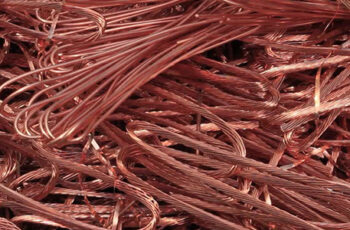
Electrical cables have materials that are recyclable. For instance, copper is used in electrical cables since it effectively conducts electricity. Copper can be recycled several times provided it is done in the right way. Electrical cables may also have aluminum conductors with plastic coatings like PVC.
Recycling helps separate these different materials and return suitable scrap metals to manufacturing supply chains. It can also reduce the amount of recoverable metal entering landfill and lower the demand for newly extracted raw materials.
For households, electricians and commercial businesses, responsible cable recycling is one practical way to manage waste generated during electrical upgrades and renovation projects.
What Materials Are Found Inside Insulated Cables?
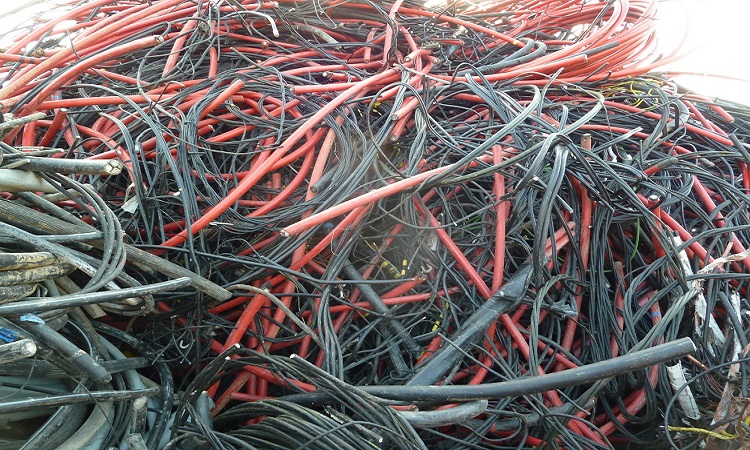
An insulated cables generally contains more than one material. Its construction depends on the purpose, electrical requirements and environment in which it is used.
Common components include:
- Copper Conductors: Copper is frequently used in electrical cables because of its conductivity, flexibility and durability.
- Aluminium Conductors: Some power cables use aluminium instead of copper. Aluminium is lighter and has different material properties.
- Plastic Insulation: PVC and other polymers protect the conductor and help reduce the risk of electrical contact.
- Protective Layers: Certain cables contain additional coverings, shielding or metal armour for mechanical protection.
Understanding cable construction is important because the quantity of recoverable metal varies between cable types. A thick power cable and a thin household wire will not contain the same proportion of copper.
How Are Old Electrical Wires and Insulated Cables Recycled?
Cable recycling usually involves a series of sorting and separation stages. The exact process depends on the cable’s construction and the equipment used by the recycling facility.
1. Collection and Initial Inspection
The whole process starts with the collection of the unwanted cables from appropriate sources like electrical installations. Recyclers may separate copper cables from aluminium cables and group different constructions together.
2. Cable Cutting and Size Reduction
Insulated cables can be cut into smaller lengths by using appropriate equipment meant for that purpose. Making the substance smaller in size will help make it easy to handle as well as undergo mechanical separation.
The procedure is supposed to be carried out with the use of appropriate equipment as well as trained personnel.
3. Mechanical Separation of Metal and Insulation
One common approach uses specialised cable granulation machinery. The equipment cuts and processes the cables into smaller pieces. Depending on the system, separation can involve screening, air classification and other mechanical techniques.
4. Metal Recovery and Further Processing
This depends on the quality of the metal, as well as its purpose. Recovered metal can then become a raw material for manufacturing new products, including electrical components, construction materials and industrial goods.
What Happens to the Plastic Insulation?
It is a separate material that requires its own handling process. Some insulation materials may be suitable for recycling if they meet the requirements of an appropriate processing facility. Other materials may require a different disposal pathway depending on their composition and contamination.
Burning cable insulation to recover copper is unsafe and can release harmful fumes. Mechanical processing is a more appropriate method for suitable cables because it separates the materials without open burning.
Read More – Can You Get the Best Cash for Scrap Metals in Adelaide
Which Types of Cables Can Have Recycling Potential?
Different electrical applications use different cable designs. Examples include:
- Household electrical wiring: Commonly found in residential electrical systems.
- Industrial power cables: Used in factories, machinery and larger electrical installations.
- Communication cables: Used for data and communication systems, with construction varying by cable type.
- Armoured cables: Include additional protective layers and may contain copper or aluminium conductors.
- Extension and appliance cables: May contain recoverable metal depending on their construction.
- Electrical installation offcuts: Short unused sections generated during wiring and renovation projects.
What Affects the Value of Scrap Electrical Cables?
The value of scrap cable depends on the amount and type of recoverable metal rather than simply the total weight.
Important factors include:
- Conductor material: Copper and aluminium have different market values.
- Metal content: Cable size and construction determine how much recoverable metal is present.
- Insulation weight: Plastic covering contributes to the total weight but is not copper.
- Cable condition: Contamination and attached materials may affect assessment.
Customers should provide photographs, cable descriptions and approximate quantities when requesting an assessment.
The Role of Cable Recycling in Adelaide
Adelaide households, electricians, builders and industrial businesses can generate unwanted electrical cables through renovations, construction, equipment replacement and maintenance.
Responsible recycling gives suitable copper and aluminium materials an opportunity to re-enter the manufacturing cycle. Local scrap metal businesses, including SA Copper Recycling, provide a point of contact for customers who want to discuss suitable cable materials and current purchasing requirements.
Conclusion
Materials in insulated cables are usually recyclable via the correct recycling process. From sorting to mechanical separation, up to metal removal, each step is essential in separating the conductors from the rest of the cable.
By identifying cable types, keeping different materials organised and using suitable recycling channels, households and businesses can help reduce avoidable waste and support more efficient resource recovery. Responsible cable recycling is a practical part of managing electrical waste and making better use of existing metal resources.