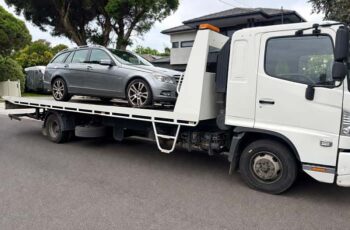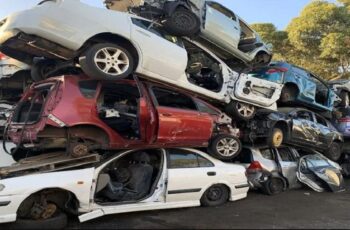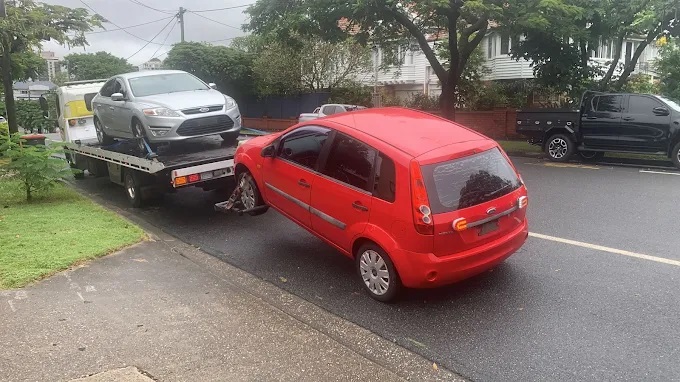
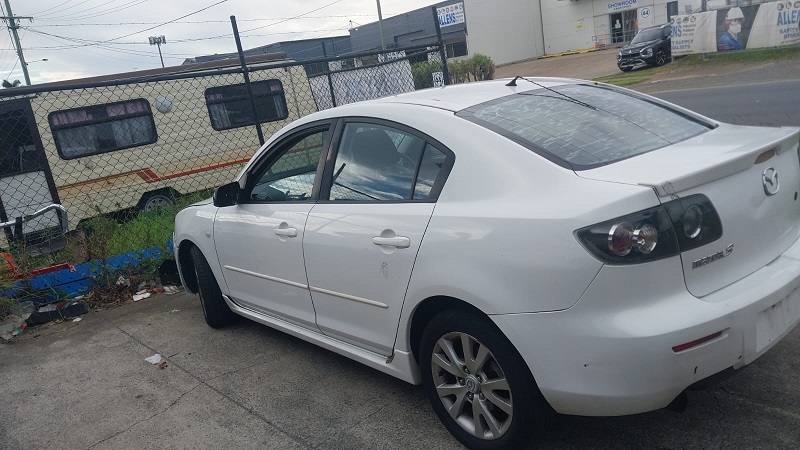
Every vehicle eventually reaches a point where continued repairs, maintenance or ownership may no longer be practical. When an old or damaged car is no longer suitable for regular use, QLD Car Wreckers can be one option for Brisbane owners looking to sell or responsibly dispose of the vehicle. However, reaching the end of a car’s useful life does not necessarily mean that everything associated with it becomes waste. Many vehicles can still provide reusable components and recyclable materials.
What Does “End of Useful Life” Mean for a Car?
A vehicle reaches the end of its useful life when keeping it on the road is no longer practical, economical or appropriate for its condition. This can happen for several reasons, including:
- Major mechanical failure
- Extensive accident damage
- Age-related deterioration
- High repair and maintenance costs
- Severe corrosion
- Electrical or drivetrain problems
- A vehicle being permanently non-running
- Damage that makes continued use impractical
Importantly, the end of a vehicle’s useful life does not always mean the car has no remaining value. Some parts may still be suitable for reuse, while materials can potentially be recovered through recycling.
What Happens First When an Old Car Is Taken for Recycling?
The vehicle is generally assessed before it is dismantled or processed. An assessment can help determine the overall condition of the vehicle and identify components that may still be useful. The make, model, age, condition and extent of damage can all influence what happens next.
A vehicle that has suffered a major mechanical problem may still contain usable body panels, wheels, lights or interior components. Similarly, an accident-damaged vehicle may have undamaged parts that can potentially be recovered. This assessment helps separate vehicles and components according to their practical value.
Which Parts of an End-of-Life Car Can Be Reused?
One of the important functions of vehicle dismantling is recovering components that may still have a useful purpose. Depending on the vehicle’s condition, reusable components can include:
- Engines and related components
- Transmissions
- Alternators and starters
- Doors and body panels
- Headlights and tail lights
- Wheels and selected suspension components
- Seats and interior parts
- Mirrors
- Electronic components
Not every part will be suitable for reuse. Components need to be assessed individually, particularly when the vehicle has been involved in a serious accident or has experienced significant deterioration. Recovering suitable parts can help keep usable automotive components within the vehicle aftermarket instead of treating the entire vehicle as waste.
Ready to clear your unwanted vehicle? Request a free quote and arrange car collection in Brisbane today.
What Happens to the Vehicle’s Fluids?
End-of-life vehicles can contain fluids that need appropriate handling. These may include engine oil, coolant, brake fluid and other automotive fluids. They should not simply be released onto the ground or into drains. During professional dismantling and recycling processes, fluids and other potentially hazardous components can be identified and handled according to applicable requirements. This is an important part of responsible vehicle disposal because proper handling reduces the risk of unnecessary contamination and helps make the recycling process safer.
What Happens to the Battery and Tyres?
Vehicle batteries and tyres are also separated from the vehicle during appropriate dismantling and recycling processes. Batteries contain materials that require careful handling and can potentially be recovered through suitable recycling systems. Tyres may also be removed rather than being left attached to the vehicle throughout the recycling process.
Depending on local recycling arrangements and the condition of the materials, different components can follow different recovery or disposal pathways. The exact process can vary depending on the vehicle, facility and applicable environmental requirements.
What Happens to the Metal?
Metal is one of the most significant recyclable resources contained in an end-of-life vehicle. Once reusable components and other materials have been separated, the remaining vehicle shell and suitable metal components can be processed for material recovery. Steel, aluminium and other metals can potentially be recovered and supplied into recycling streams.
This allows materials from an old vehicle to be used again rather than requiring all-new raw materials for future manufacturing. Vehicle recycling therefore forms part of the wider circular economy by keeping recoverable materials in productive use.
Does an Old Car Become Completely Worthless?
Not necessarily. A vehicle may no longer be economical to repair or suitable for everyday driving while still containing valuable components and materials. For example, a vehicle with a failed engine could still have usable doors, wheels, lights, interior components or other parts. Similarly, a damaged vehicle may have many components unaffected by the accident.
The potential value of an end-of-life vehicle depends on factors such as its make and model, condition, parts demand, age, location and recyclable materials. This is why owners should not automatically assume that a car has no value simply because it cannot be driven.
Read More – What Happens to Your Car After It Goes to Wreckers?
Why Is Responsible Vehicle Recycling Important?
Responsible recycling can provide both practical and environmental benefits. First, it helps prevent unwanted vehicles from being left abandoned on properties or in inappropriate locations. Second, it provides an opportunity to recover components that may still serve a useful purpose. Recycling materials such as metals can also reduce the need to rely entirely on newly extracted resources.
A properly managed recycling process therefore looks beyond the vehicle as a single object. Instead, the car can be viewed as a combination of components and materials that may have different recovery possibilities.
What Should Brisbane Owners Do Before Disposing of an End-of-Life Car?
Before arranging collection or disposal, owners should prepare the vehicle properly.
A useful checklist includes:
- Remove personal belongings from the cabin, boot and storage compartments.
- Gather relevant vehicle information, including the make, model and year.
- Explain the vehicle’s condition accurately, including whether it runs.
- Identify major damage or missing components.
- Check the current Queensland requirements that apply to registration, plates and vehicle disposal.
- Confirm collection arrangements if the vehicle cannot be driven.
- Choose an appropriate disposal or recycling pathway.
Taking these steps can make the process easier and reduce misunderstandings during collection.
Get Your Free Car Collection Quote – Call Now 07 3338 8937
Yes. An accident-damaged vehicle can still contain recoverable components and recyclable materials. The extent of the damage is important. A vehicle with severe front-end damage, for example, may still have usable rear body components, interior parts, wheels or mechanical components. Each vehicle needs to be assessed individually. The goal of dismantling is to identify what can reasonably be recovered and what needs to move into an appropriate recycling or disposal stream.
What Happens After Reusable Parts Are Removed?
Once suitable reusable auto parts have been recovered, the remaining vehicle can continue through the recycling process. Different materials may be separated and processed according to their characteristics and available recycling pathways. Metals can be prepared for recycling, while other materials and components may require different forms of handling. This staged approach helps maximise material recovery from vehicles that are no longer suitable for continued road use.
Final Thoughts
Reaching the end of a car’s useful life does not necessarily mean the end of its value. Depending on its condition, an old vehicle can provide reusable components and recyclable materials even when repairing or driving it is no longer practical.
For vehicle owners, responsible disposal starts with understanding the vehicle’s condition, comparing available options and choosing an appropriate collection and recycling pathway. A well-managed end-of-life process can help recover useful resources while ensuring the unwanted vehicle is handled more responsibly.