When an old 4WD is no longer worth repairing, selling it to a wrecker can be a practical way to move it on. But have you ever wondered what happens after the vehicle is collected?
Your 4WD does not simply disappear into a scrap pile. Depending on its condition, age and parts, it can go through a careful process of inspection, dismantling, parts recovery and recycling. Understanding this process can also help you see why an unwanted 4WD may still have value.
1. Your 4WD Is Collected and Taken to a Yard
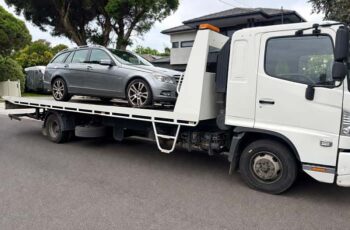
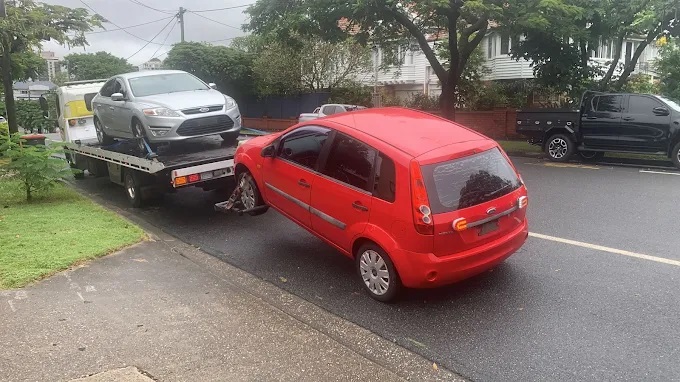
The process usually starts with vehicle collection. If your 4WD is running, it may be driven to the yard. If it is damaged, unregistered or no longer starts, a suitable towing or removal service may be arranged.
Once the vehicle reaches the yard, its details and overall condition can be assessed before dismantling begins.
2. The Vehicle Is Inspected
The next step is a closer inspection. The make, model, age and condition of the 4WD help determine which components may still be useful.
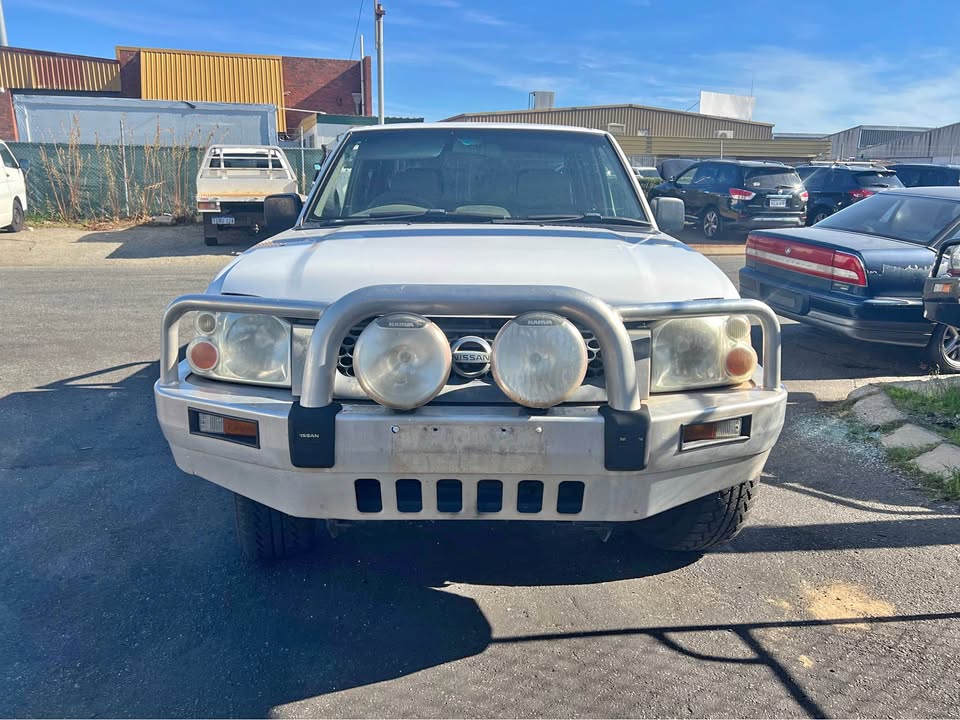
A vehicle that looks like scrap to an owner may still contain valuable parts. An engine that runs well, a usable gearbox, good wheels or undamaged body panels may have a second-hand market.
This is one of the reasons 4WD wreckers in Perth can often find value in vehicles that owners no longer want or cannot justify repairing.
3. Usable Parts Are Carefully Removed
If suitable components are found, they can be removed from the vehicle before the remaining shell is recycled.
Depending on the 4WD, this may include:
- Engines and gearboxes
- Differentials and drivetrain components
- Alternators and starter motors
- Suspension and steering components
- Doors, bonnets and guards
- Headlights, mirrors and other body parts
- Wheels and selected accessories
- Interior and electrical components
Some dismantlers clean, inspect and test reusable parts before placing them into their used-parts inventory. This allows another vehicle owner to use a recovered component instead of buying a brand-new replacement.
4. Fluids and Other Materials Are Removed
A 4WD contains fluids and materials that need proper handling during dismantling. These can include engine oil, coolant, fuel, transmission fluid and brake fluid.
Batteries and other components also need to be handled appropriately. Professional recycling operations remove these materials before the vehicle is processed further, helping prevent leaks and unnecessary environmental contamination.
5. The Remaining Vehicle Is Recycled
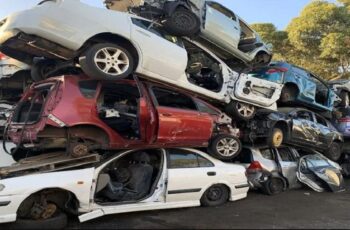
After useful parts have been recovered and fluids have been dealt with, the remaining vehicle still contains recyclable materials.
Steel and other metals can be separated and sent through recycling channels for processing. Other materials may also be recovered where suitable.
This means an old 4WD can continue to have value even after it is no longer practical to keep it on the road. Vehicle dismantling and recycling can help reduce waste while recovering materials that can be used again.
6. Someone Else May Benefit From Its Parts
One of the most useful outcomes of vehicle wrecking is the recovery of working components.
For example, an owner repairing an older Toyota, Nissan, Mitsubishi or Ford 4WD may be able to find a suitable used component from a dismantled vehicle. Reusing parts can provide a more affordable repair option while keeping usable components in circulation.
The exact parts recovered will depend on the vehicle’s make, model, condition and demand.
Why Selling an Old 4WD Can Make Sense
Keeping an unwanted 4WD can become expensive. Registration, storage, repairs and maintenance can add up, particularly when the vehicle is no longer reliable or economical to repair.
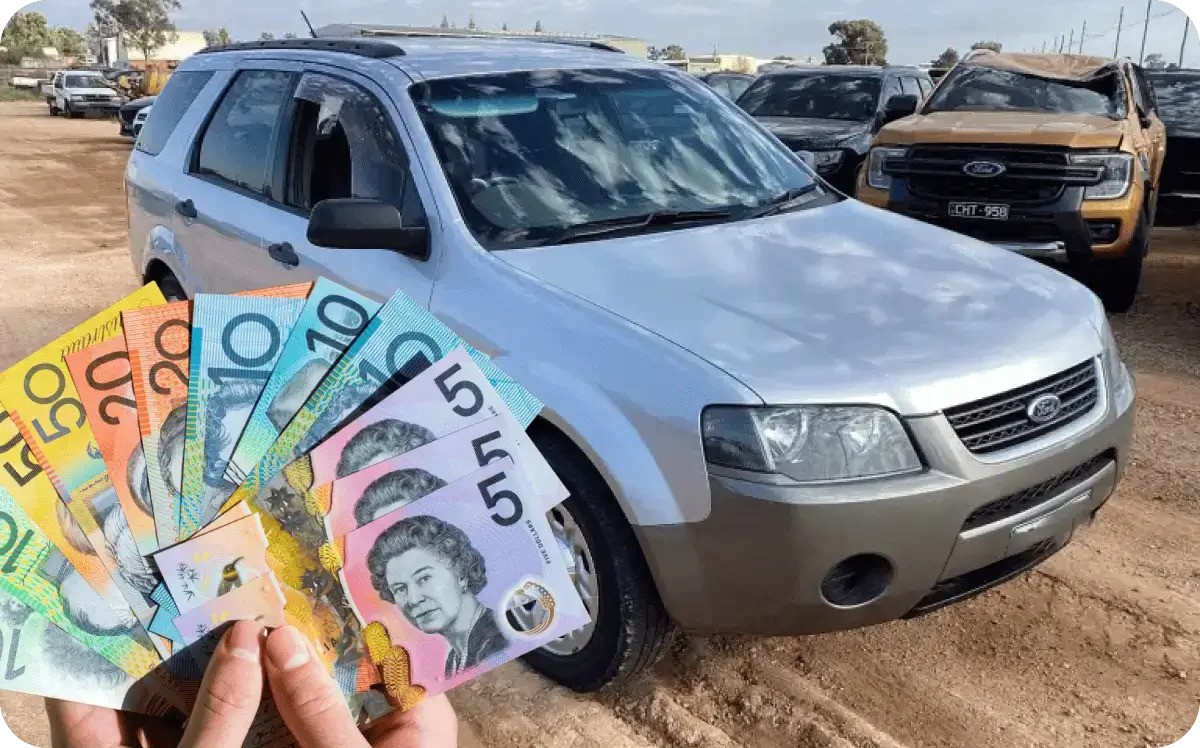
Selling it to a reputable wrecker gives the vehicle another purpose. You can clear unwanted space, avoid putting more money into a vehicle you no longer need and potentially receive payment based on its condition and recoverable value.
Conclusion
Selling your old 4WD to a wrecker is more than simply getting rid of a vehicle. After collection, it can be inspected for useful components, safely dismantled, have suitable parts recovered and have recyclable materials processed.
If your 4WD is damaged, old, unwanted or no longer worth repairing, a professional wrecker may be a convenient option. Before accepting an offer, compare the service, ask about vehicle removal and make sure you understand the payment and collection arrangements.
Your old 4WD may have reached the end of its road, but its useful parts and materials may still have plenty of life left.