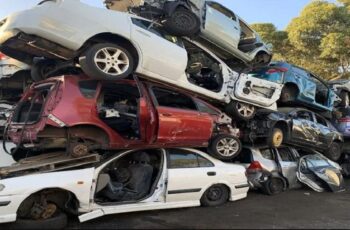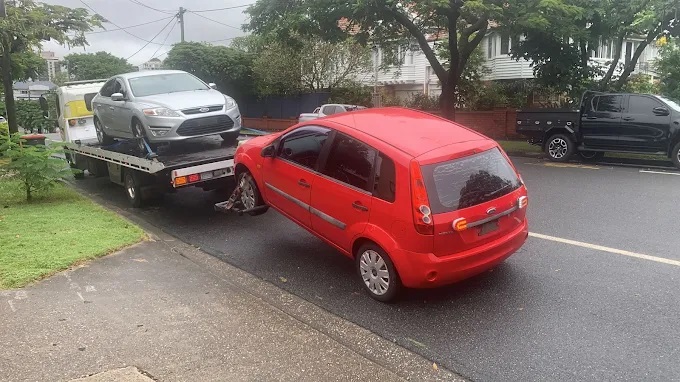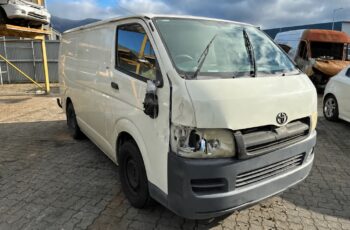
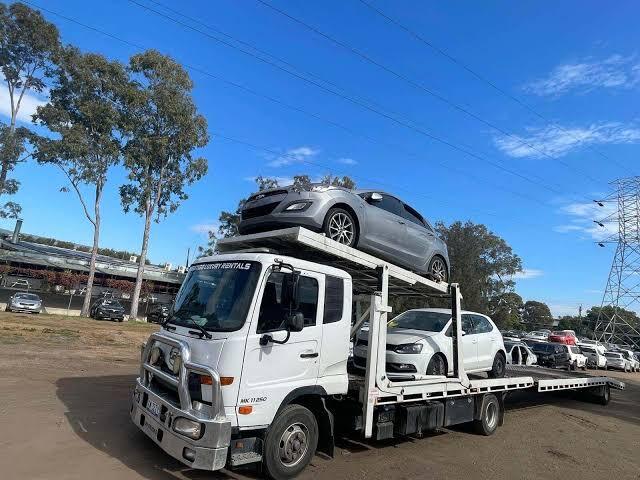
An accident can leave a damaged car with anything from minor cosmetic damage to serious mechanical or structural problems. Once you receive a repair estimate, an important question comes up: should you repair the vehicle before selling it, or sell it in its current condition? There is no single answer for every vehicle. The right choice depends on the extent of the damage, repair costs, vehicle age, market value and your plans for the car. Car Cashiers can help you evaluate your options and determine whether repairing the vehicle or selling it as-is makes the most financial sense.
Start by Assessing the Damage
Before spending money on repairs, find out exactly what has been affected. Cosmetic issues such as dents, scratches, broken lights or damaged car panels may be relatively straightforward to fix.
More serious accidents can affect the suspension, steering, engine, transmission or structural components. These repairs can become expensive quickly, particularly on an older vehicle.
Getting an honest assessment from a qualified mechanic or repairer can help you understand whether the vehicle is worth repairing.
Compare Repair Costs With the Car’s Value
One of the biggest mistakes is spending thousands on repairs without considering what the car will actually be worth afterwards.
For example, if your vehicle is worth $7,000 in good condition but requires $5,000 in repairs, repairing it may not make financial sense. You also need to consider registration, insurance, inspection and other costs that may arise before selling.
A simple comparison can help:
Expected value after repairs − total repair costs = potential return
If the result is low, selling the vehicle as-is may be the more practical option.
Read More – Eco-Friendly Scrap Car Removal Perth: Get Paid While Helping the Planet
Consider the Car’s Age and Condition
An accident may be the final issue that makes an older vehicle uneconomical to keep. If the car already has high kilometres, mechanical problems or expensive upcoming maintenance, investing heavily in accident repairs may not be worthwhile.
On the other hand, a newer vehicle with limited damage and strong resale demand could justify professional repairs.
Think about the vehicle as a whole rather than focusing only on the accident damage.
Selling the Car As-Is Can Be an Option
You don’t necessarily have to repair an accident-damaged car before selling it. Some buyers, wreckers and vehicle removal services purchase cars in damaged, non-running or unwanted condition.
Selling the vehicle as-is can save you from paying for repairs that may not increase its value enough to recover the expense.
If you choose this route, be transparent about the vehicle’s condition. Providing details about the accident, damage and known mechanical issues helps potential buyers make an informed decision.
What About a Written-Off Vehicle?
A vehicle that has suffered significant accident damage may be classified as a write-off under applicable rules. The process and options can vary depending on the type of write-off and Western Australian requirements. If you’re unsure about the vehicle’s status, check its records and seek appropriate advice before arranging a sale.
Get More Than One Opinion
Before making a decision, consider getting both a repair estimate and a realistic valuation for the vehicle in its current condition.
This gives you two important figures:
- How much the repairs are likely to cost
- How much the damaged car could sell for without repairs
Comparing these figures makes it easier to decide whether repairing or selling as-is provides the better financial outcome.
Final Thoughts
Repairing an accident-damaged car isn’t always the best way to maximise its value. For some vehicles, repairs can restore enough value to make the investment worthwhile. For others, selling the car in its current condition can avoid unnecessary expense and effort.
If you’re considering selling an accident-damaged car in Perth, it provides an option for getting the vehicle assessed without requiring you to repair it first. Always consider the vehicle’s condition, repair costs and potential selling value before deciding which route makes the most sense.